
Transport operators and authorities are facing a familiar challenge: how can mobility services remain accessible and attractive while operating under increasing financial and operational pressure?
Rising operating costs, driver shortages, budget constraints and political expectations to maintain coverage are forcing many regions to rethink how public transport is delivered, particularly in rural and low-demand areas.
For years, two models have dominated the discussion: traditional fixed-line services and flexible demand-responsive transport (DRT). Both play an important role in public transport networks. Yet both also have limitations.
The question is no longer whether one model is better than the other. Rather, it is about identifying which operating model best fits a region's mobility patterns and demand levels.
The strengths and limits of fixed-line services
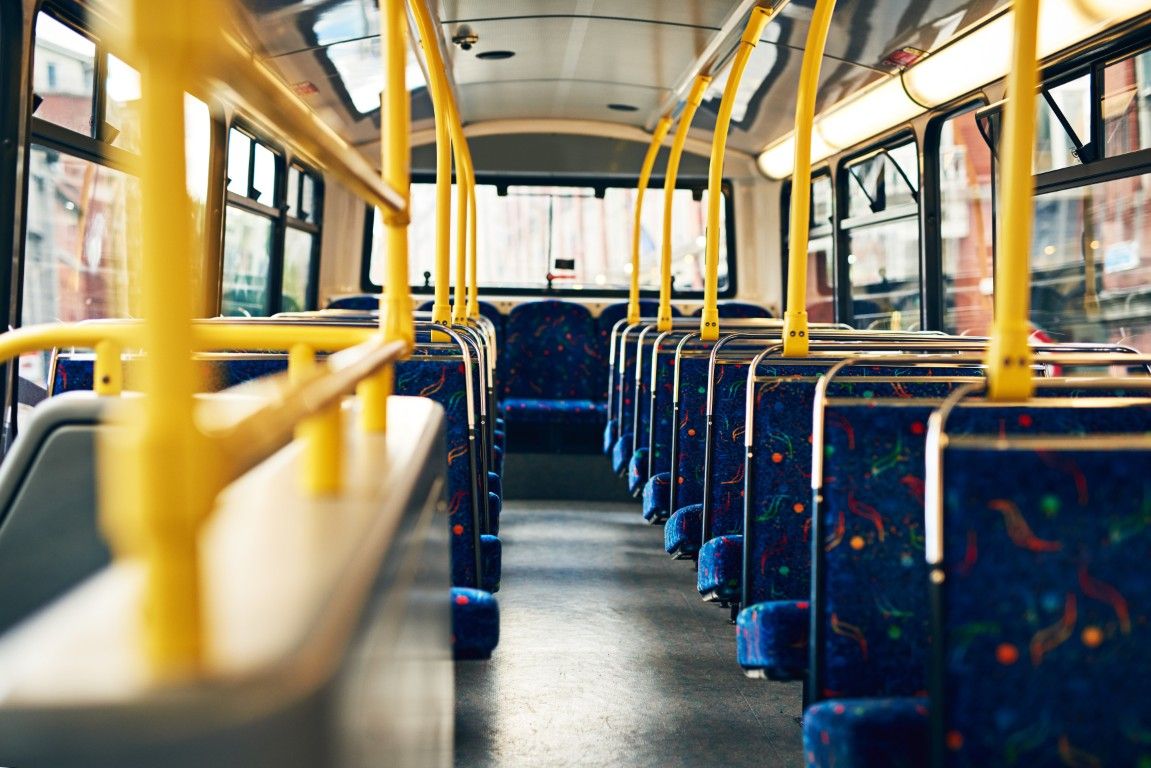
Fixed routes and timetables remain the backbone of public transport. They provide reliability, predictability and a familiar experience for passengers.
However, they also come with certain limitations.In rural areas and outside peak hours, demand is often too low to operate vehicles throughout the day with a fixed timetable and high service frequency. Buses may run with very few passengers, while operating costs become disproportionately high.
Fixed-line services are also inherently less flexible. Demand patterns vary depending on the time of day, location and travel purpose, yet traditional services can only react to these fluctuations to a limited extent as they are constrained by fixed timetables and routes.
As a result, transport operators often face a difficult balance between maintaining coverage and ensuring economic efficiency.
The promise and challenges of fully flexible DRT
Demand-responsive transport emerged as a way to address these limitations.
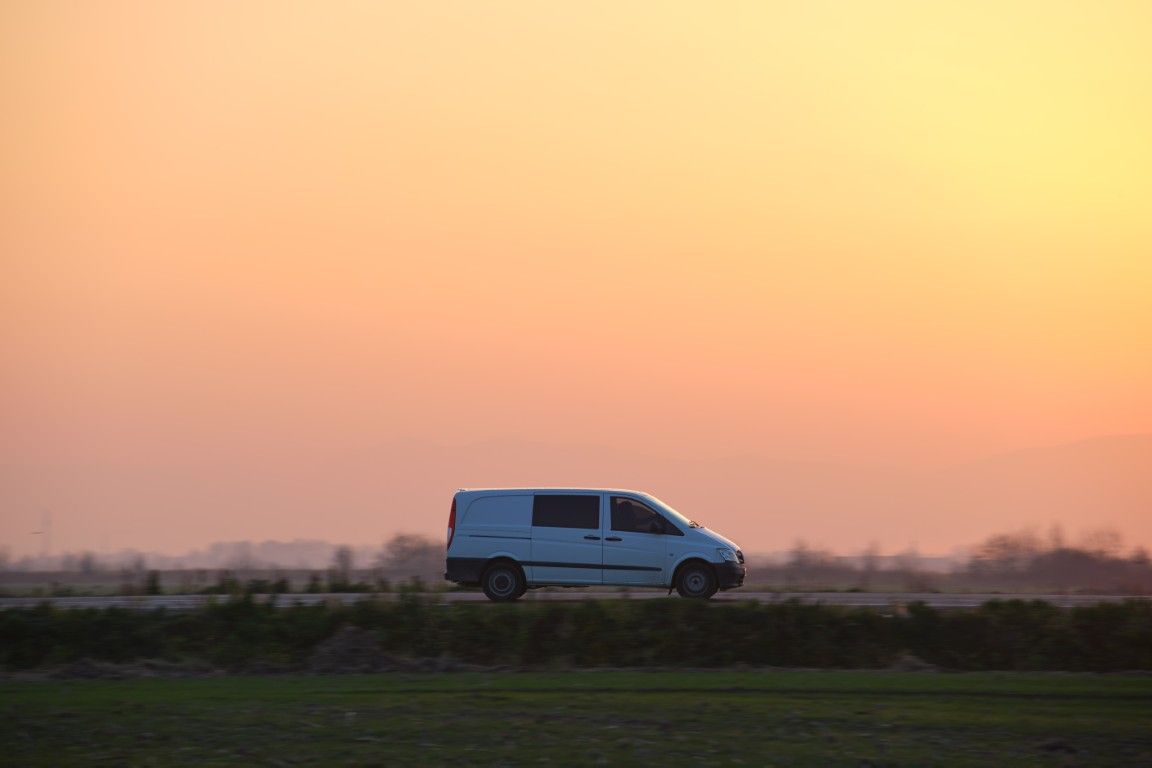
By allowing passengers to book trips on demand and dynamically adapt routes, fully flexible demand-responsive transport can provide mobility where traditional services reach their limits. It offers a high degree of flexibility, can improve accessibility in underserved areas, and can contribute to better cost efficiency per passenger.
Yet flexibility also comes with operational complexity.
In rural areas, demand is often geographically scattered. Passengers travel between many different origins and destinations, making trip pooling more difficult. Vehicles may spend significant time running empty between individual bookings, meaning that transport capacity is not fully utilised
In addition, operating costs can be harder to predict. Demand fluctuations directly influence vehicle requirements, driver allocation and service levels. For operators working with subcontracted taxi providers, coordination and cost management can become even more challenging.
In some cases, fully flexible DRT may therefore be more complex than what local mobility needs actually require.
A growing interest in hybrid approaches
Between these two models lies a third approach that is attracting increasing attention: line-based or hybrid demand-responsive transport.
Rather than choosing between fixed-line operations and fully flexible DRT, these models combine elements of both.
Passengers continue to benefit from familiar routes, stops and timetable structures, while operations are organised according to actual demand. Vehicles may only run when bookings exist, certain stops may be served on request, and routes can be optimized using algorithm-based dispatching.
The objective is not to replace fixed-line transport or fully flexible DRT. Instead, hybrid models seek to offer an additional tool that can be applied where it makes operational sense.
Why many regions are looking at existing services
Many regions already operate demand-responsive services such as call buses, call taxis, shared taxis, or citizen buses.
These services often fill important mobility gaps, particularly in rural areas. However, many are managed through manual booking processes, phone reservations and separate dispatching workflows.
Digitalisation offers an opportunity to modernise these services without fundamentally changing how they operate.
Bookings can be handled digitally, dispatching can be supported by software, and operators as well as public transport authorities gain access to better operational data and reporting. At the same time, familiar service structures remain in place for passengers.

Choosing the right model
There is no universal solution that fits all regions. Instead, approaches need to be tailored to local conditions.
High-density urban areas may benefit from different approaches than rural regions. Some services require maximum flexibility, while others are better served by structured operations with limited flexibility.
The future of public transport will therefore not be shaped by a single operating model, but by a combination of different approaches that reflect local mobility needs.
For many operators and authorities, the challenge is no longer whether to choose fixed-line transport or demand-responsive transport. It is understanding where each model creates value and where hybrid approaches can help bridge the gap between efficiency and flexibility in the best possible way.